What’s something a great Jiu-Jitsu coach has taught you that had nothing to do with a technique?

Posted
Posted
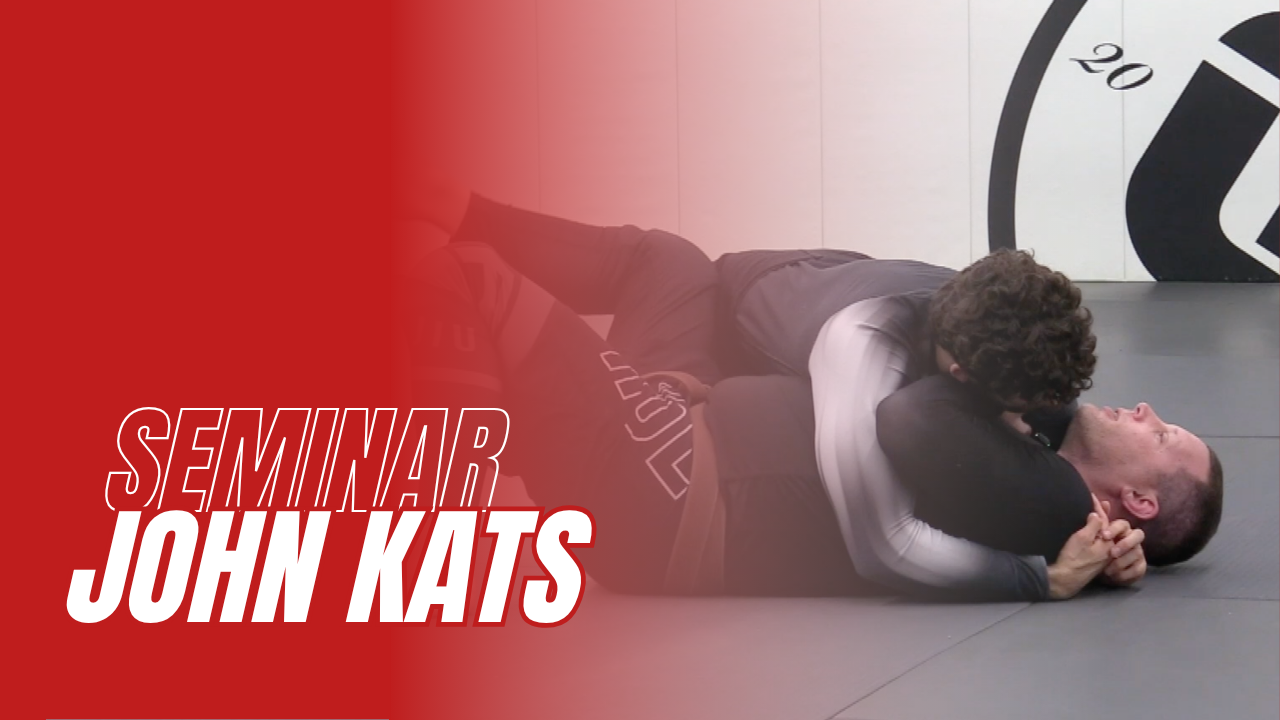
On September 12, 2026, RŌL TV hosted a focused Jiu-Jitsu workshop with John Kats dedicated to one of the most essential skills in grappling: escaping side control. The workshop broke down the fundamental principles and techniques needed to defend effectively and work your way out from underneath a controlling opponent.
Participants explored the importance of proper framing, defensive positioning, and understanding how to create space when trapped on the bottom of side control. John emphasized the mechanics behind effective escapes, demonstrating how to use frames, body movement, and strategic positioning to disrupt an opponent's control and create opportunities to recover guard or improve position.
Seminar is now available on RŌL TV
https://rolacademy.tv/programs/2026-09-12-john-kats
Posted
Posted
Posted
Posted
Posted
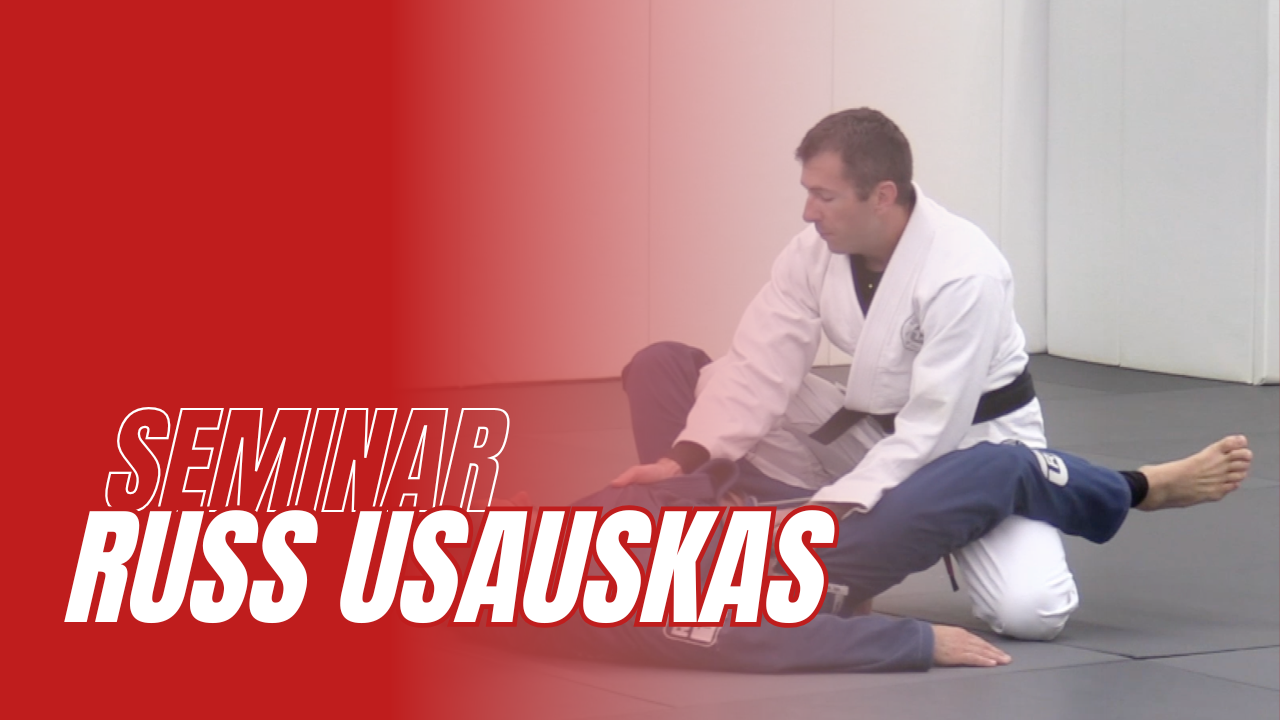
On June 13, 2026, Russell U. shared a detailed seminar focused on practical methods for opening and passing the closed guard. Rather than relying on strength or speed, Professor Russ emphasized posture, pressure, and controlling key points of the body to create consistent passing opportunities.
The seminar explored multiple guard-opening options, including traditional openings as well as alternative pressure-based methods for dealing with opponents who have a particularly strong closed guard. A major theme was maintaining solid structure, protecting against common submissions, and transitioning immediately into effective passing positions once the guard is opened. Russ also discussed common mistakes, such as exposing the arms during standing guard breaks, and demonstrated how proper positioning minimizes risk while maximizing control. Throughout the seminar, students learned how to combine strong fundamentals with intelligent pressure, giving them a systematic approach to breaking the closed guard and advancing into dominant top positions against resisting opponents.
Seminar is now available on RŌL TV
https://rolacademy.tv/programs/2026-06-13-russell-usauskas
Posted
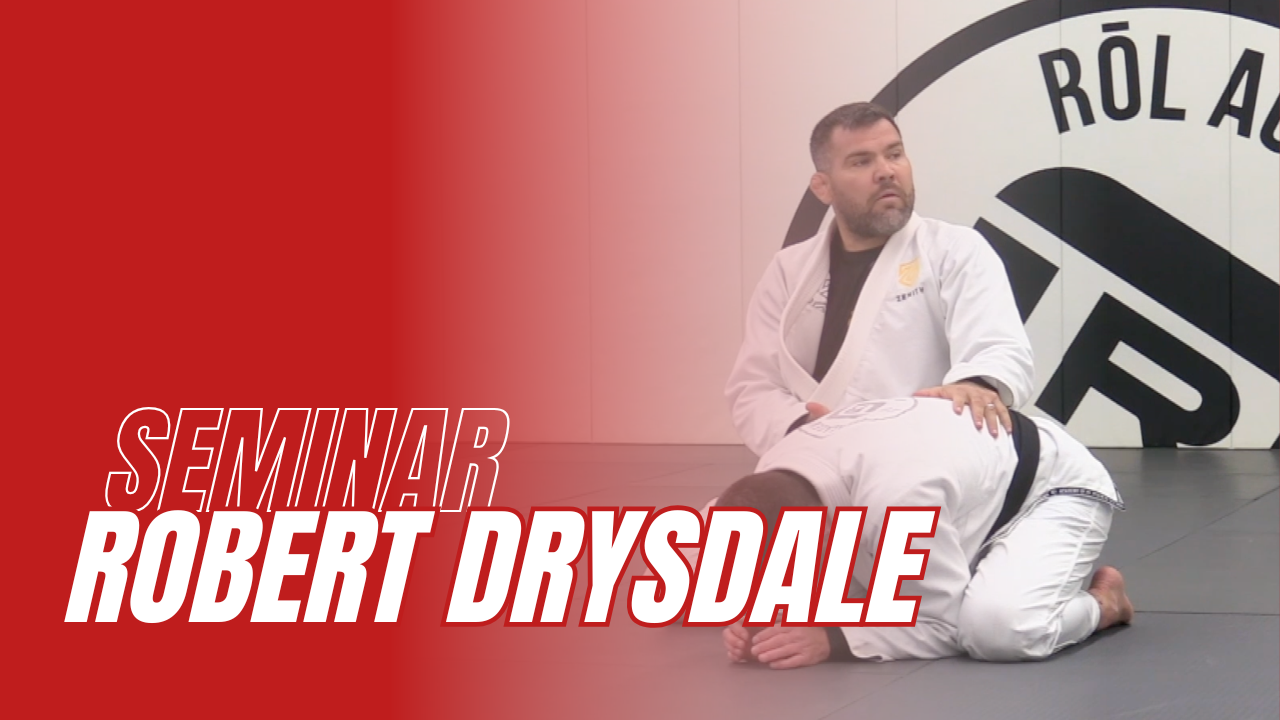
Robert Drysdale’s June 8, 2026 seminar was an incredible look at turtle position and back control. One of the biggest takeaways was that before we rush to take the back or hunt for the choke, we first need to understand how to control the turtle position properly. Professor Drysdale broke it down in a very practical way, showing that turtle control is the building block that creates better back attacks.
The seminar was a great reminder that strong Jiu Jitsu is not about forcing the finish. It is about control, patience, awareness, and creating the right opportunity to advance.
Seminar is now available on RŌL TV
https://rolacademy.tv/programs/2026-06-08-robert-drysdale
Posted
Posted