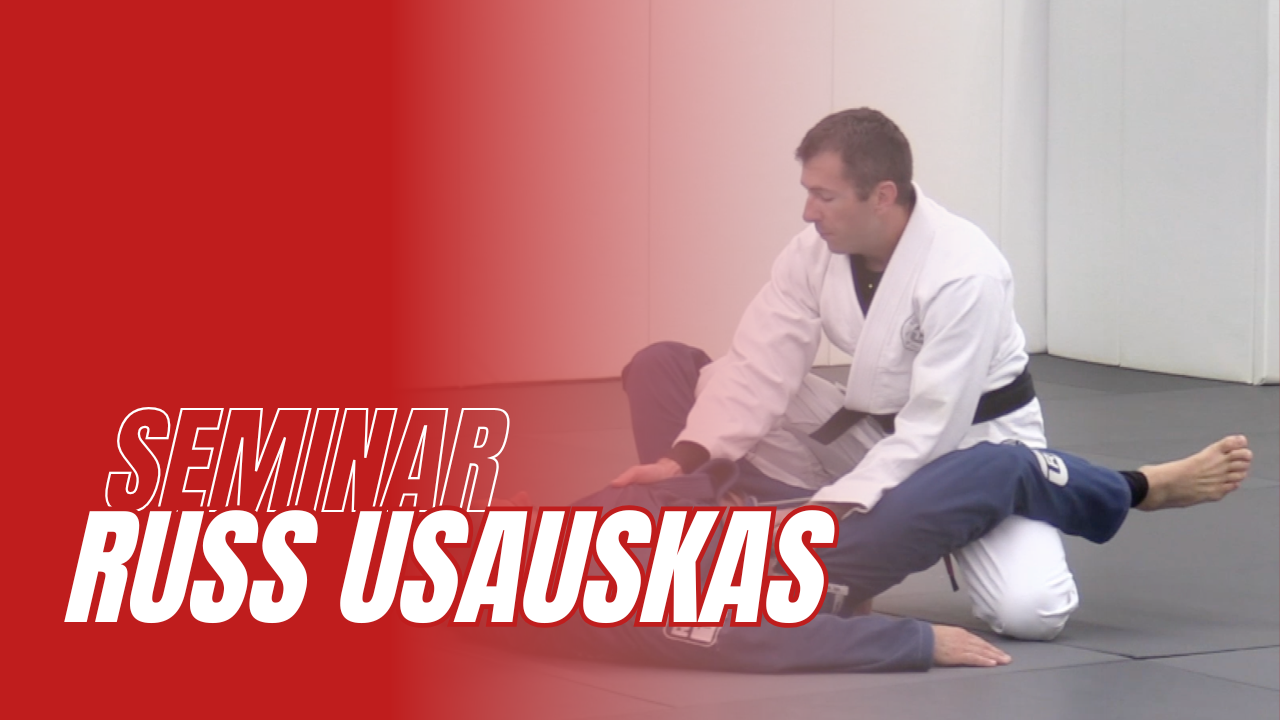
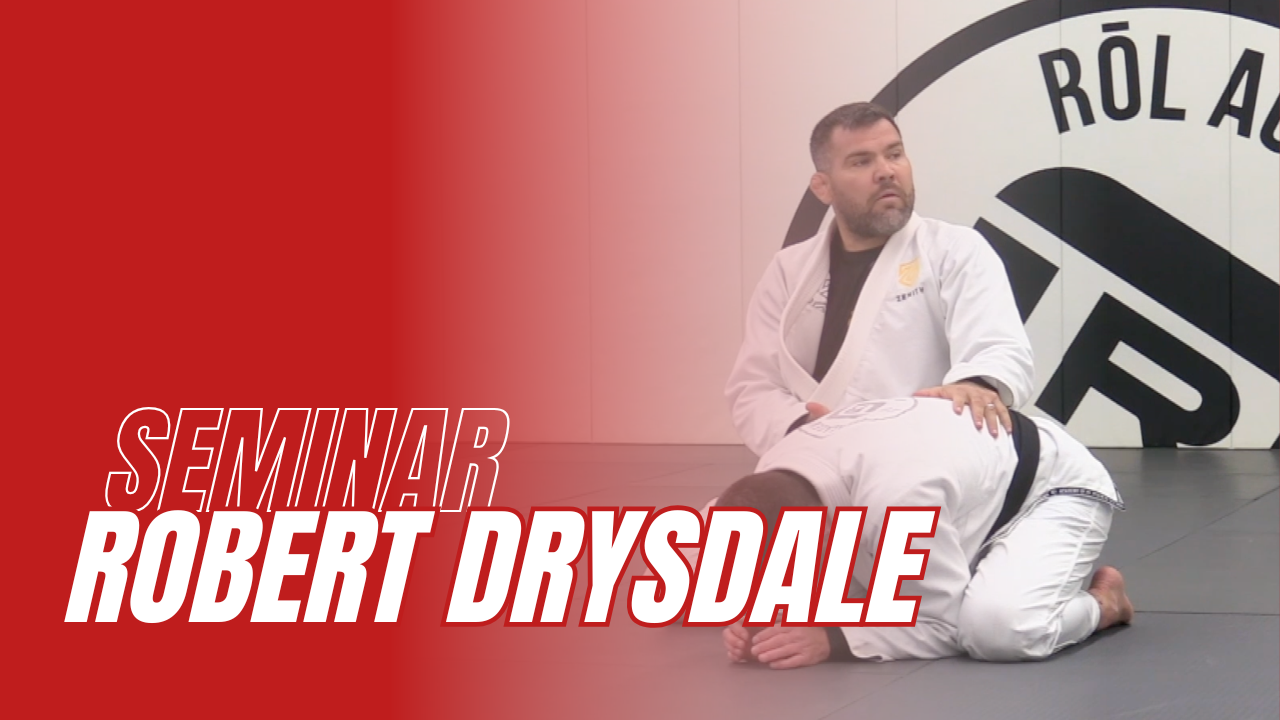
Prof. Thomas’s workshop on July 18, 2026, centered on achieving complete domination without relying on a guard pass. The lesson emphasized closing distance, denying space, and using pressure to prevent your partner from rebuilding frames or recovering position. Prof. Thomas showed how controlling the hips and shoulders limits movement, weakens defensive reactions, and creates a platform for advancement. Rather than rushing from one position to another, students learned to stay connected, adjust their weight, and make every movement purposeful. Hip control stopped rotation and escape, while shoulder control redirected posture and exposed the neck and arms. These controls were presented not simply as ways to hold a partner down, but as opportunities to submit. By maintaining tight connection and reading reactions, students could transition smoothly into chokes, arm locks, and other finishes. The workshop reinforced a clear principle: dominate first, remove space, control the body, and let the submission appear.
Seminar is now available on RŌL TV
https://rolacademy.tv/programs/2026-07-18-thomas-rozdzynski